Tesla Cybercab hits dealer lots before 2027 ends
Tesla executives confirmed that the steering wheel-free robotaxi will begin private sales by the end of this year, though most units will remain in the company's own fleet.
By Rahul Mehta ·
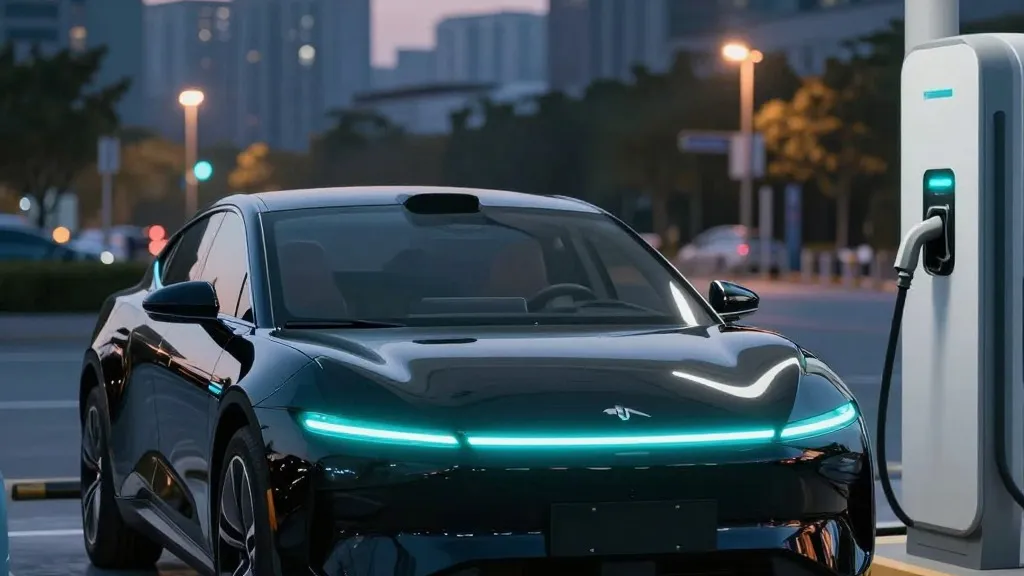
The long-standing mystery surrounding the availability of Tesla's most radical vehicle has finally been resolved with a specific timeline. Tesla has officially set a target date for when the Cybercab will be available for purchase by private customers, ending months of speculation about when the fully autonomous two-seater would hit the market.
During the company's third-quarter earnings call on October 21, Vice President of Engineering Lars Moravy provided the definitive answer. He stated that Tesla is aiming to begin delivering the purpose-built robotaxi to customers before the end of 2026. While the vehicle has been in production since February, Moravy clarified that the initial output is currently being directed entirely toward Tesla's internal Robotaxi fleet rather than individual buyers.
The shift toward private ownership will happen gradually. Moravy explained that as operations scale, the company plans to deliver fully designed autonomous vehicles to customers, with the Cybercab serving as the first model in this category. He noted that initial deliveries will be limited in volume. This cautious approach allows Tesla to gain essential experience in delivery logistics, ownership models, fleet management, and the unique challenges of operating autonomous vehicles outside of its direct control.
CEO Elon Musk reinforced the idea that private sales will be a small fraction of the total production. During the same call, Musk described the Cybercab primarily as a "transport-as-a-service" offering rather than a traditional personal vehicle like the Model 3, Model Y, or the upcoming Roadster. He emphasized that the vast majority of Cybercab units will remain Tesla-owned, intended to serve the public through ride-hailing services rather than sitting in private driveways.
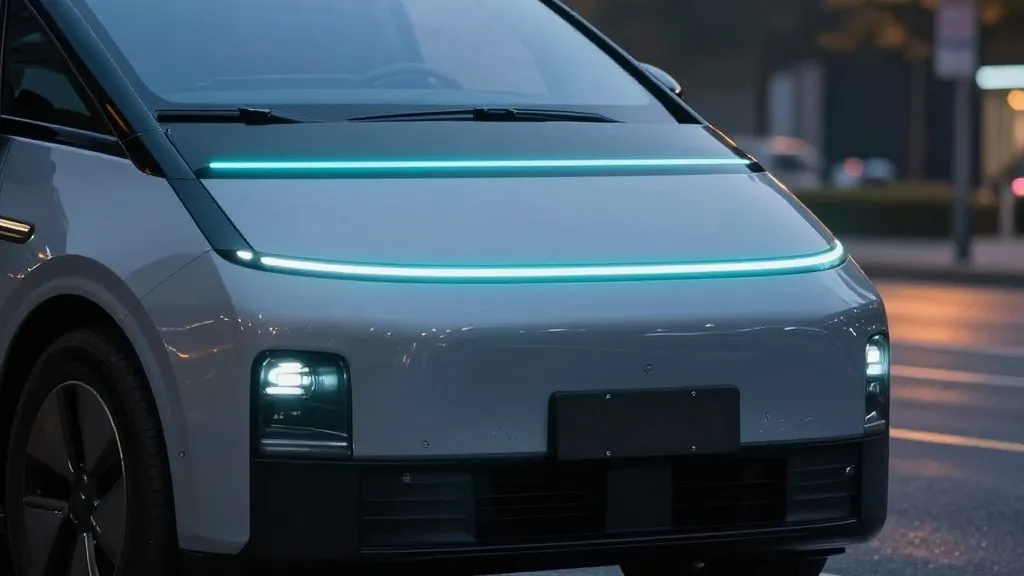
The Cybercab represents a significant departure from Tesla's previous designs. It is a two-seater vehicle that features no steering wheel and no pedals. The car relies completely on Tesla's Full Self-Driving software suite. Production of these units began in February of this year. In early September, Tesla launched its Robotaxi service to the public, placing early production units into active service. The company has previously indicated that it aims to sell these vehicles for approximately $30,000.
Despite the imminent start of private sales, some regulatory and technological hurdles remain. Ashok Elluswamy, Tesla's Head of AI, indicated that unsupervised Full Self-Driving is expected to ship to consumer cars during the second quarter of 2027. This timeline suggests that early Cybercab buyers or fleet operators may receive vehicles with geographically restricted autonomous capabilities. This limitation is largely due to the pace of regulatory agencies in approving wider operational zones.
For New England readers, the news signals that the era of driverless rides is moving from a distant concept to a near-term reality. While the bulk of the fleet will likely operate in major metropolitan areas first, the start of private deliveries marks a critical step in Tesla's strategy. The company is balancing the need to expand its autonomous footprint with the necessity of refining its service model before handing keys to individual owners.
The next few months will be crucial for Tesla as it transitions from internal fleet deployment to external customer handoffs. The success of this transition will depend on how smoothly the company manages the logistics of selling a vehicle that is primarily designed for a service role. As the year draws to a close, all eyes will be on Gigafactory Texas to see if the promised deliveries begin to materialize as scheduled.
Source: Teslarati