Musk claims accelerated chip supply for Terafab
Tesla and SpaceX aim to build a massive Texas facility that could rival small nations in economic output.
By Anna Nowak ·
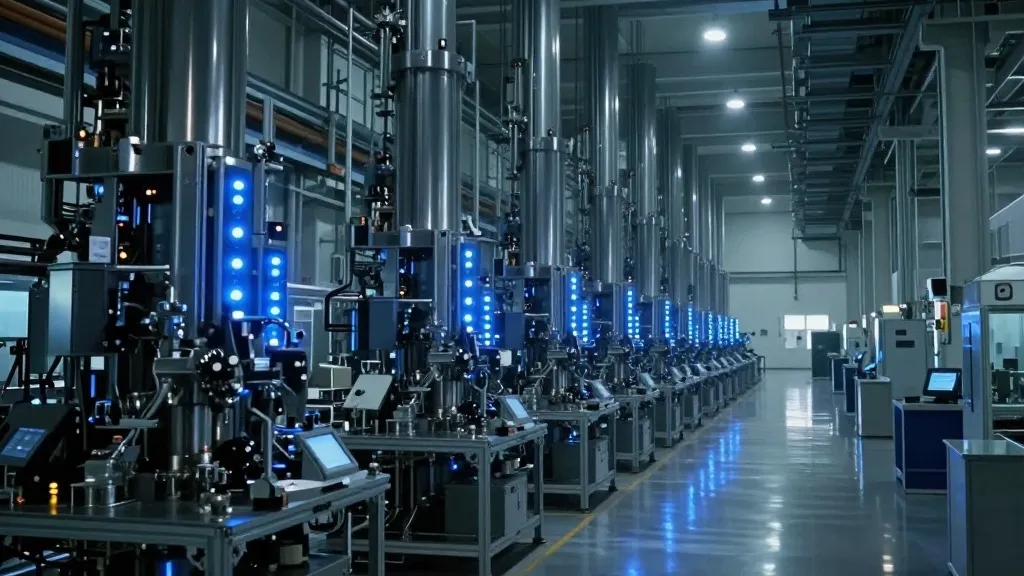
Elon Musk is pushing a schedule for new chip manufacturing that many industry observers consider exceptionally aggressive. The tension lies in the gap between the rapid progress promised by the CEO of Tesla and SpaceX and the physical realities of building a facility intended to produce enough processing power to rival the economies of small countries. During a live earnings call broadcast on X on October 20, Musk stated that key suppliers are moving equipment faster to help meet these tight deadlines. He described the timeline as highly aspirational, noting it carries large margins of error.
The primary target for volume production at the Gibbons Creek, Texas site is the third or fourth quarter of 2028. To reach that point, the project must secure critical machinery from the global semiconductor supply chain. Musk specifically mentioned appreciation for ASML and other vendors for accelerating deliveries. This speed is necessary because the company aims to have a 440,000 GPU Nvidia Vera Rubin cluster online by the end of the second quarter of 2027, which requires a steady flow of advanced hardware.
The people driving this effort include the leadership teams at Tesla and SpaceX, which are jointly managing the Terafab megaproject. Musk also outlined broader computing goals for his AI ventures, expecting 2.5 to 3 gigawatts of capacity by the end of 2026. He expressed high confidence in adding another 10 gigawatts in 2027, potentially reaching a total of 13 gigawatts by year's end. This expansion relies heavily on partnerships with major equipment makers including Applied Materials, Lam Research, KLA, and Tokyo Electron.
The stakes involved in this venture are significant for the future of AI infrastructure. Terafab is designed to be a vertically integrated factory that handles logic, memory, and packaging in one location. The long term goal is to manufacture one terawatt of AI computing power per year. If successful, the commercial value of the chips produced in this single building could place it within the top 20 global country GDPs. For perspective, Switzerland, the 20th largest economy, has a GDP of approximately 1.14 trillion dollars.
Intel joined the venture in April 2026 to provide its 14A manufacturing node technology. The facility will use traditional extreme ultraviolet lithography systems, for which ASML is the sole commercial supplier. These systems cost roughly 400 million dollars each. Reports suggest the first tool was slated for delivery in mid 2027, though it is unclear if this aligns with the expedited timeline Musk referenced. The project also involves talks with about 10 South Korean equipment makers for specialized components.
Experts remain skeptical of the one terawatt ambition. Current global AI optimized data center capacity is estimated at roughly 44 gigawatts, a figure that represents only 4.4 percent of Terafab's planned output. While computing capacity has grown by roughly threefold annually since 2022, the scale of this single facility is unprecedented. The chips produced here are intended for xAI clusters, self driving vehicles, Optimus robots, and SpaceX's orbital data centers, reducing reliance on external foundries like TSMC.
Source: Tom's Hardware