It's been 25 years since the iPod changed how we carry music
Two and a half decades ago, a tiny white device proved that a pocket-sized player could hold your entire music collection.
By Anastasia Volkova ·
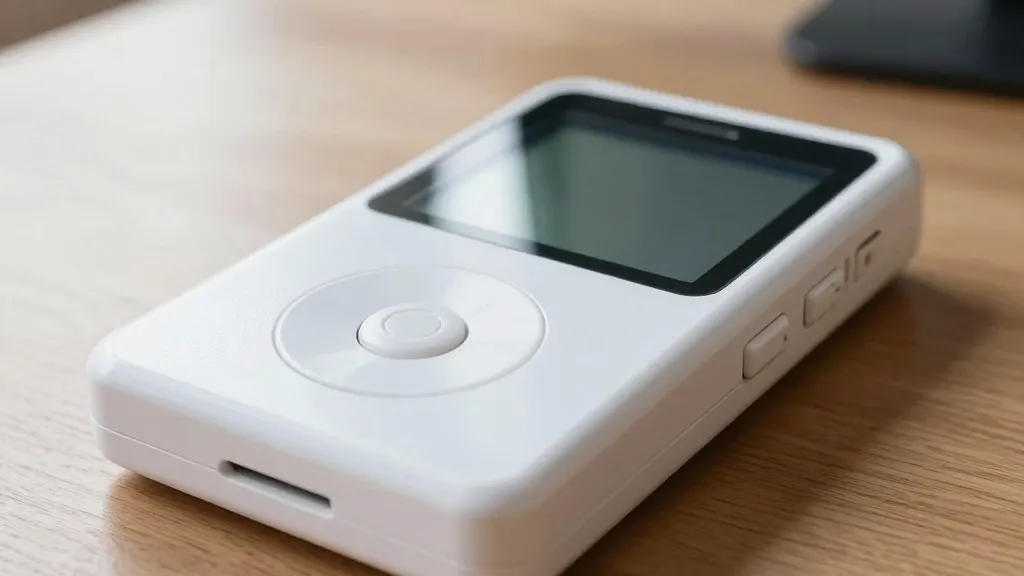
It has been 25 years since the world first saw the original Apple iPod. The device, introduced in October 2001, is still remembered as a cultural turning point for personal technology. Today, it is easy to forget how revolutionary the gadget was when it first hit the market. The iPod did not just play music. It changed how people thought about carrying their favorite songs.
The first major factor was the device's physical design. Steve Jobs called it a breakthrough digital device that was not a Mac. The player was small enough to fit in a pocket. It measured roughly the size of a standard deck of cards. At just 6.5 ounces, it was lighter than most cell phones at the time. This compact form factor was made possible by a thin hard drive from Toshiba. That specific component allowed Apple to pack significant storage into a very small space.
The second key element was the storage capacity. The original model held 5 gigabytes of data. This meant it could store about 1,000 songs. For many users, that was their entire music library. The price tag was set at $399. Jobs argued that this was a fair trade for having all your music in one place. He noted that while other companies like Sony and Creative had portable players, none had found the right recipe for digital music. Apple chose a hard disk-based approach over flash memory or CD players.
The third point involves the speed of data transfer. The iPod used a FireWire 400 cable for both charging and file transfers. Apple claimed this connection was much faster than USB options available then. A single CD's worth of music could be transferred in five to 10 seconds. In contrast, USB transfers took around five minutes for the same amount of data. To fill the entire 1,000-song capacity, the iPod took about 10 minutes. A USB player would have taken five hours for the same task. This speed was a major selling point for the new device.
The device also featured a rechargeable lithium-polymer battery. It provided 10 hours of continuous playback. Users could recharge the battery to 80 percent in one hour. The interface was designed for ease of use. It included a scroll wheel with a piezoelectric clicker for tactile feedback. This allowed users to navigate playlists, artists, or songs with one hand. The first song played during the launch demo was 'Building a Mystery' by Sarah MacLachlan.
The iPod was launched alongside iTunes 2. This software allowed users to sync their music libraries automatically. If a user organized songs on their Mac, those changes would update on the iPod when connected. The device also functioned as a portable hard drive. This integration with the Mac ecosystem was central to Apple's strategy. Jobs envisioned the Mac as the center of a digital lifestyle, connecting cameras, DVD players, and music players.
The iPod remained a core Apple product for many years. It coexisted with the iPhone after the smartphone launched in 2007. However, the smartphone eventually made the dedicated music player less essential. The last model, the 7th-generation iPod Touch, was released in 2019. Apple stopped updating the line after that. The product was officially discontinued in 2022. For now, the original 2001 model stands as a milestone in tech history.
Source: Tom's Hardware