Amazon abandons Northern Virginia AI data center plans for residential development
After local opposition, the tech giant will convert a 122-acre site into homes and a community arts center instead of four new server facilities.
By Priya Sharma ·
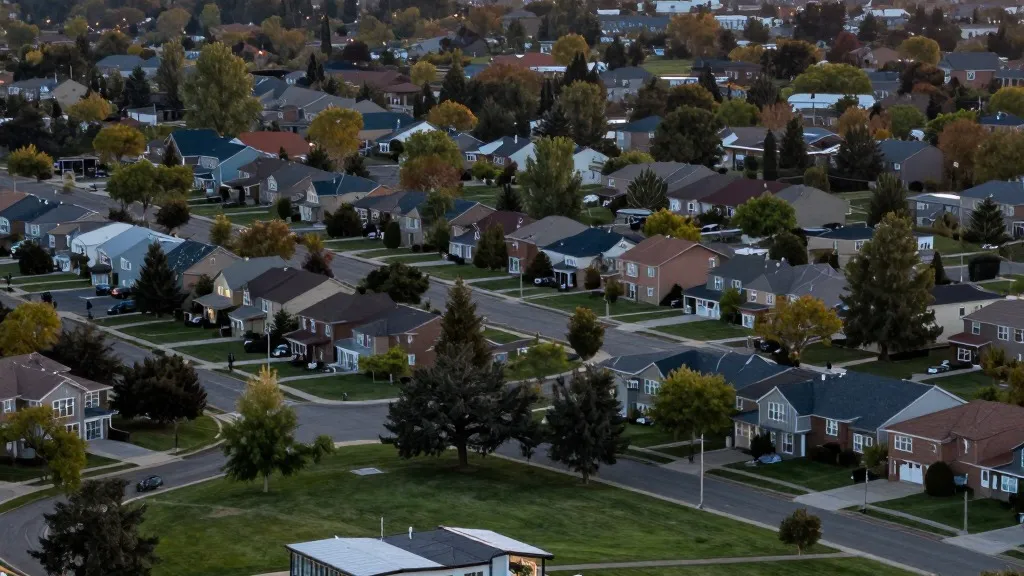
Northern Virginia has long been known as a hub for massive computing infrastructure, but local residents are increasingly pushing back against the rapid expansion of these facilities. This week, Amazon confirmed it will stop its plans to construct four new data centers on a specific parcel of land in Loudoun County.
The company agreed to repurpose the majority of the 122-acre site, which formerly housed the George Washington University campus, for mixed-use and residential development. This shift follows significant community backlash regarding the noise and energy demands associated with large-scale data center operations. The decision marks a notable change in strategy for the tech giant in a region already saturated with similar projects.
In addition to changing the land use, Amazon committed to donating 25 acres of the property to Loudoun County. This land will be used to build a community arts center and a new recreational facility. The company also pledged a $5 million contribution to the county's housing fund, aiming to support more attainable homes for local working families.
Amazon first submitted its proposal for the new facilities in July. By September, the company was in discussions with Phyllis J. Randall, the chair of the Loudoun County Board of Supervisors. During these talks, county officials suggested that the land might be better suited for alternative uses. Amazon's vice president for data center development, Josh Weissman, noted that while the company initially saw the site as an ideal opportunity, it acknowledged the county's specific concerns about development at that location.
Weissman explained that although Amazon viewed the legal development potential of the property differently than the county did, both parties concluded that a shared vision was preferable to expensive legal battles. He stated that coming together on a common plan for the campus was the best outcome for everyone involved. This approach allowed the company to avoid a prolonged dispute over the site's future.
The broader context of this decision involves the rising demand for computing power driven by artificial intelligence. As cloud services and AI applications grow, the need for larger and more numerous data centers has increased significantly. However, this growth has sparked opposition from local communities who worry about the environmental and economic impacts, such as higher electricity prices and resource strain.
County officials highlighted the benefits of choosing negotiation over conflict. In a statement, Randall said that the agreement creates new spaces for residents to gather, create, and play. She emphasized that a primary goal was to provide more affordable housing options. This resolution demonstrates a potential model for balancing tech infrastructure needs with local community priorities.
The news comes shortly after President Donald Trump called for data center builders and AI companies to pay local communities a dividend to help offset energy-related price increases. The president also suggested that these facilities should generate their own electricity and sell any excess power back to the local grid. These federal statements reflect a growing national conversation about how to manage the energy and environmental footprint of the data center boom.
For now, the former university campus in Loudoun County will transform into a neighborhood of homes and public amenities. This shift underscores the changing dynamics in Northern Virginia, where the race to build for AI is increasingly facing scrutiny from local residents and officials.
Source: Tom's Hardware